How to Properly Plant New Flowers and Plants
Welcome to the simple, rewarding world of gardening! Planting new flowers and shrubs is one of the most effective ways to boost your home's curb appeal, improve local ecology, and connect with nature.
This guide breaks down the essential steps—from selecting the perfect spot to the critical final watering—ensuring your new plants thrive and grow strong for years to come.
Following these six steps correctly prevents the most common planting failures. Let's get started!
Gauld Nurseries is your go-to destination for evergreens, fruit trees, and deciduous trees.
Let us help you lay the groundwork for a beautiful garden.
Key Takeaways
Read the Label: Always check the plant tag for light (Sun/Shade) and spacing requirements before digging.
Wider, Not Deeper: Dig the hole 2–3 times wider than the root ball, but only as deep as the root ball itself.
Loosen the Roots: Gently tease apart any circling or matted roots to encourage outward growth.
Keep the Crown Exposed: The top of the root ball must be level with or slightly above the ground soil to prevent stem rot.
Water deeply: Always give the plant a thorough watering right after planting to settle the soil and hydrate the roots.
Mind the Mulch: Apply a 2–3 inch layer of mulch, but keep it several inches away from the plant's main stem (avoid the "mulch volcano").
1. Choose the Right Spot
Selecting the correct location based on sunlight is the single most important decision for a plant's health.
Read the Plant Label: Always refer to the plastic tag or label that came with your plant. This provides the blueprint for its needs.
Assess Sunlight: Match the plant's requirement to your location's light levels:
Full Sun: Requires a minimum of 6 hours of direct, unfiltered sunlight per day. (Best for most vegetables, roses, and many perennial flowers.)
Partial Sun/Shade: Needs 3–6 hours of sun, ideally morning sun which is less intense than afternoon sun.
Full Shade: Needs less than 3 hours of direct sun, or dappled light throughout the day.
Pay close attention to the label's mature width and height recommendations. Plant small now, but plan for the fully grown size. Overcrowding leads to poor air circulation, which invites fungal disease and limits growth.

2. Prepare the Soil Environment
Creating a soft, nutrient-rich environment allows roots to quickly establish themselves.
Loosen the Ground: Before digging the specific hole, use a shovel or spade to gently turn and loosen the existing soil in the immediate planting area (a 3-foot radius around where you plan to plant). Go down about 12 to 18 inches. This general preparation helps with surrounding drainage.
Improve Drainage and Structure: If your soil is very hard clay (holds water too tightly) or very loose sand (drains water too fast), mix in organic material.
Incorporate generous amounts of compost or well-aged manure into the loosened soil. This improves aeration in clay and helps retain moisture in sand.
3. Dig the Perfect Hole Depth and Width
Proper hole dimensions ensure immediate root expansion and prevent stem rot.
| Feature | Guideline | Why it Matters |
|---|---|---|
| Depth | Dig the hole only as deep as the plant's current root ball (the container soil). | Planting too deep is one of the most common mistakes! It suffocates the base of the plant. |
| Width | Dig the hole 2 to 3 times wider than the root ball. | This ensures the roots have soft, easy-to-grow-into soil as they expand outward. |
4. Prep the Plant's Roots
The transition from a pot to the ground can be stressful; preparing the roots reduces "transplant shock."
Remove Gently: Carefully slide the plant out of its container. If it resists, tip the pot sideways and tap the base. Never pull forcefully on the stem.
Inspect for Root-Bound Status: Examine the root ball. If the roots are tightly matted, coiled, or circling the ball's perimeter, the plant is root-bound.
Tease and Score: To encourage outward growth, you must break this pattern:
Use your fingers, a small hand tool, or even a knife (for woody plants) to gently tease out, spread, and score the outer roots. Pull them slightly outward and downward.
The goal here is to signal to the roots that they need to start exploring the new, surrounding soil.
5. Plant at the Correct Height
This step directly addresses the most common planting error: planting too deep.
Position the Plant: Place the prepared plant in the center of your wide hole.
Establish the Crown Line: The top edge of the root ball, where the plant's stem or trunk meets the original container soil (the crown), must be aligned properly.
The crown should be level with, or slightly above, the surrounding grade (ground level).
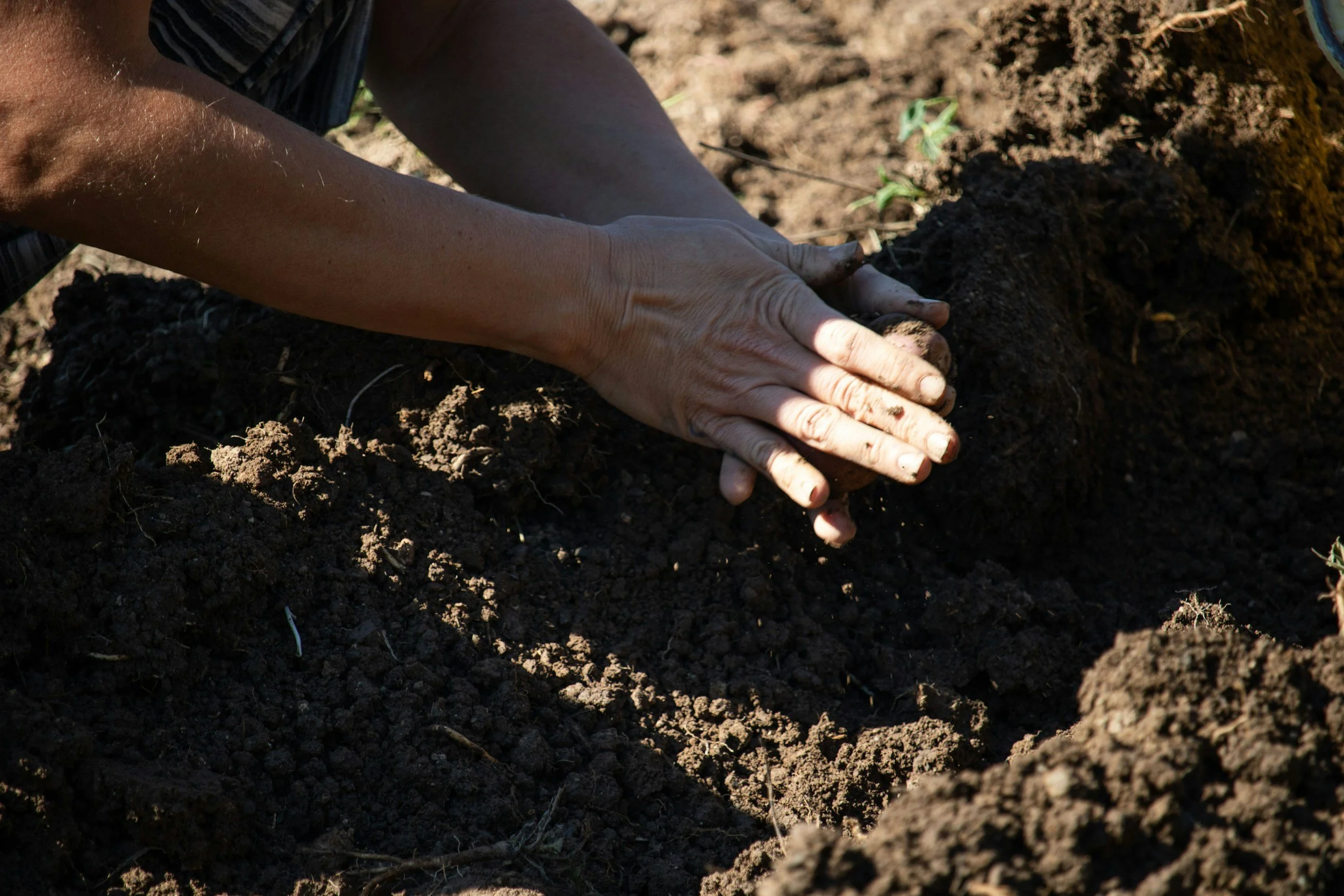
Backfill: Using the soil you removed, gently fill the gap around the root ball. Use your hands to lightly firm the soil; avoid stepping or heavily compacting it, which reduces oxygen flow to the roots.
6. Water Immediately and Mulch
These final steps protect the newly established plant from shock and environmental stress.
Initial Deep Watering: Immediately after planting, give the plant a very thorough, slow, deep watering. This accomplishes two essential things:
It helps the native soil fully settle around the roots, eliminating any air pockets that could dry out and kill tiny root hairs.
It provides the necessary hydration for the roots undergoing stress from transplanting.
Apply Mulch: Spread a protective layer of mulch (wood chips, shredded bark, pine straw, etc.) 2 to 3 inches deep across the planting area.
Mulch Benefits: Retains soil moisture, stabilizes soil temperature, and suppresses weed growth.
Beware the Mulch Volcano Mistake: Crucially, pull the mulch back several inches from the base of the plant's stem. Piling mulch against the crown traps moisture and can cause lethal crown or stem rot.
7. Common Mistakes to Avoid
| Mistake | The Problem | The Fix |
|---|---|---|
| Planting Too Deep | The crown (base) is buried, leading to suffocation, rot, and eventual death. | The top of the root ball must be level with or slightly above the finished ground grade. |
| Neglecting Root Loosening | Roots remain in the tight, circling pattern from the pot, never fully utilizing the new soil and leading to slow decline. | Always tease, score, or cut the exterior roots before planting. |
| Over-Compacting Soil | Stomping or heavily packing the backfilled soil removes air pockets, suffocating the roots and preventing drainage. | Gently firm the soil by hand after backfilling; let the initial watering settle it naturally. |
| Poor Watering Habits | Watering lightly and frequently (daily sprinklings) encourages only shallow root growth, making the plant weak. | Water deeply and less frequently (e.g., once or twice a week) to encourage roots to search downward for moisture. |

Don't Let Planting Day Leave You Guessing
Whether you're selecting sun-loving annuals or finding the perfect shade perennial, ensuring your plants are healthy from the start is key to a beautiful garden.
At Gauld Nurseries, we’ve been helping Niagara homeowners grow thriving gardens and landscapes for over 75 years.
Locally Grown: Our flowers and plants are selected and grown specifically for Niagara’s soil and climate, guaranteeing reliable performance.
Best Varieties: We offer proven varieties that thrive in various conditions, from sunny flowerbeds to difficult shady spots.
Expert Guidance: Get personalized advice on soil prep, proper planting depth, and essential first-month care to ensure your efforts pay off.
Come visit us today! Let us help you select the perfect plants and gain the confidence you need to transform your yard into a stunning garden feature!
Contact us now or stop by the nursery to get your project off to a strong start.
“Love the selection of not only the plants, but the statuary as well! The staff is wonderful. They were so helpful as to what to plant where. One of the perennials died and they were kind enough to replace it! Love this place! I am so grateful you are here. Thank you!”