Drought-Proof Gardening in Ontario: A Beginner’s Guide
Hot, dry summers are becoming the norm in Ontario, but that doesn't mean you have to say goodbye to a lush, thriving garden. By adopting smart techniques focused on water conservation and soil health, any homeowner can create a resilient, drought-proof landscape.
Gauld Nurseries is your go-to destination for evergreens, fruit trees, and deciduous trees.
Let us help you lay the groundwork for a beautiful garden.
Key Takeaways for Drought-Proof Gardening
Soil Health: Mix compost generously into all garden beds (6–12" deep). This creates a soil sponge that retains moisture and is essential for drought-proof gardening.
Plant Choice: Choose hardy Ontario native plants and drought-tolerant perennials. These plants are naturally adapted to local dry periods and require minimal maintenance.
Mulching: Apply a 2–4 inch layer of organic mulch (wood chips) around all plants, keeping it away from stems. This reduces evaporation and keeps soil temperature cool.
Watering: Water deeply and infrequently (1-2 times per week), preferably in the early morning. This encourages deep, drought-resilient root systems.
Grouping: Group plants in hydrozones based on their water needs. This allows for efficient, targeted watering where it's needed most.
1. Soil is Your Sponge: The Power of Preparation & Compost for Drought-Proof Gardening
The secret to a truly drought-proof gardening system lies underneath your plants. Healthy soil acts like a giant sponge, absorbing and holding onto moisture for roots to access during dry spells.
Enrich with Organic Matter: The single most important step for preparing for drought-proof gardening. Before planting, mix a generous amount of compost (store-bought or homemade), aged manure, or leaf mold into the top 6 to 12 inches of your garden beds.
Why Compost? It dramatically improves soil structure. In sandy soil, it acts like a sponge to hold water; in heavy clay soil, it loosens things up, allowing water to penetrate instead of running off.
Aerate & Penetrate: Compacted soil prevents deep root growth and causes water to puddle. Working in compost and avoiding stepping on garden beds encourages a healthier, deeper root system that can access moisture farther down.
Investing in quality, compost-rich soil is the fundamental first step to creating a resilient, drought-proof garden that can naturally hold water.

2. Smart Planting: Choosing Drought-Tolerant Ontario Natives
The best plants for dry conditions are those that are already adapted to Ontario's climate. Selecting the right plants is fundamental to successful drought-proof gardening.
Go Native: Choose non-invasive, local species. Their deep, extensive root systems have evolved to handle our natural wet/dry cycles.
Perennial & Shrub Superstars for Ontario:
Flowers: Butterfly Milkweed (Asclepias tuberosa), Purple Coneflower (Echinacea purpurea), Black-Eyed Susan (Rudbeckia hirta), Yarrow (Achillea millefolium), and Coreopsis.
Groundcovers: Creeping Phlox (Phlox subulata), Common Bearberry (Arctostaphylos uva-ursi).
Shrubs: Shrubby Cinquefoil (Dasiphora fruticosa), New Jersey Tea (Ceanothus americanus), and Sumac (Rhus species).
Hydrozoning (Grouping by Water Needs): Place plants with similar water needs together. This simplifies watering and is a key technique in drought-proof gardening.
Put your thirstiest plants (like vegetables and annuals) in one area for targeted watering.
Group your drought-tolerant natives in a separate section that requires little to no summer irrigation.
By choosing native and grouping plants based on their water needs (hydrozoning), you drastically reduce your garden’s long-term reliance on irrigation.
3. The Mulch Advantage: Key to Drought-Proof Gardening
Mulch is the unsung hero of water conservation, acting as a protective blanket for your soil and is non-negotiable for drought-proof gardening.
| Benefit | Explanation for Drought-Proof Gardening | Water Saving Impact |
|---|---|---|
| Reduces Evaporation | Blocks sun and wind from reaching the soil surface. | Saves up to **25%** of water lost to the air. |
| Regulates Temperature | Insulates the soil, keeping roots cooler on hot days. | Reduces plant stress and prevents rapid moisture loss. |
| Suppresses Weeds | Smothers weeds, eliminating competitors for water and nutrients. | Ensures all available water goes to your desired plants. |
Make sure to keep this in mind when it comes to mulch:
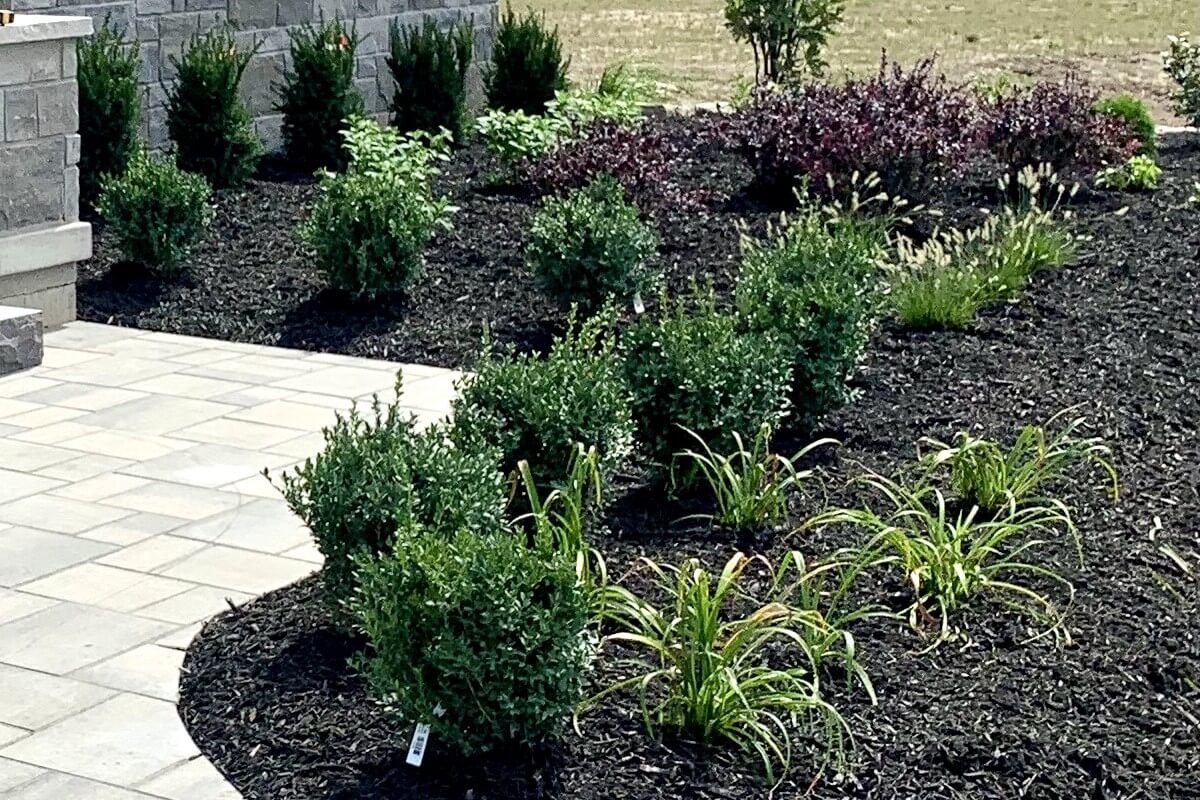
Strategic Application: Apply a 2 to 4-inch layer of organic mulch (shredded bark, wood chips, or shredded leaves) around your plants and over all exposed soil.
The Mulch Donut: Always keep the mulch a few inches away from the base of plant stems and tree trunks. Piling it up creates a "volcano" that traps moisture against the bark, leading to rot and inviting pests.
A thick, organic layer of mulch is your garden’s natural sunscreen and vapour barrier, making it one of the most effective and easiest components of drought-proof gardening.
4. Strategic Watering: Deeply, Infrequently, and Smartly
In a drought, a quick daily sprinkle is useless. The goal of drought-proof gardening watering is to train your plant roots to grow deep, where the soil stays moist longer.
Deep, Infrequent Watering:
Instead of daily light watering, aim to soak the soil thoroughly once or twice a week, allowing the top layer to dry out in between.
A deep soak means wetting the soil to a depth of 6 to 8 inches for perennials and veggies. This encourages strong, deep roots.
Best Time to Water: Early Morning is ideal. The air is cool, so less water is lost to evaporation, and the plants have a full store of moisture to face the heat of the day.
Water the Roots, Not the Leaves: Use a soaker hose or drip irrigation to deliver water directly to the plant's root zone, under the mulch. This is far more efficient than overhead sprinklers.
Rain Barrels: Collect the generous rainwater from your roof using a rain barrel—it's free, better for plants than treated city water, and perfect for hand-watering containers in your drought-proof garden.
Watering deeply and infrequently trains your plants to seek out deep, cool reserves of moisture, building a foundation for drought tolerance.
5. Landscape Design for Water Retention
Design your garden to work with gravity, not against it, as part of your overall drought-proof gardening plan.
Create Basins: When planting trees or shrubs, create a small, circular lip or "berm" of soil around the edge of the planting hole. This basin will temporarily trap rainwater and irrigation water, ensuring it soaks in rather than running off.
Rain Gardens (Advanced Tip): For areas that receive heavy run-off (like near a downspout), consider building a rain garden. This is a depression planted with water-loving native plants designed to absorb and filter rainwater, preventing it from overwhelming your yard or storm drains.
Simple landscape modifications like basins and rain gardens allow you to capture and utilize every drop of natural precipitation, maximizing water efficiency.

Your Next Step for Drought-Proof Gardening
Ready to start building your resilient garden?
Visit Gauld Nurseries today! Our experts can help you select the perfect locally-grown native perennials and shrubs to match your soil conditions and sun exposure. We also carry the high-quality compost and organic mulch you need to make your garden truly drought-proof.
We’ve been helping Niagara homeowners grow thriving gardens and landscapes for over 75 years.
Locally Grown: Our flowers and plants are selected and grown specifically for Niagara’s soil and climate, guaranteeing reliable performance.
Best Varieties: We offer proven varieties that thrive in various conditions, from sunny flowerbeds to difficult shady spots.
Expert Guidance: Get personalized advice on soil prep, proper planting depth, and essential first-month care to ensure your efforts pay off.
Come visit us today! Let us help you select the perfect plants and gain the confidence you need to transform your yard into a stunning garden feature!
Contact us now or stop by the nursery to get your project off to a strong start.
“Love the selection of not only the plants, but the statuary as well! The staff is wonderful. They were so helpful as to what to plant where. One of the perennials died and they were kind enough to replace it! Love this place! I am so grateful you are here. Thank you!”