Gardening Guide: How to Create a Beautiful, Healthy Garden in Niagara
There is nothing quite like the feeling of stepping into your own vibrant backyard, surrounded by thriving greenery and colourful blooms. Whether you are deep into gardening for beginners or you have been nurturing a green thumb for years, creating a stunning outdoor oasis is an incredibly rewarding experience.
However, gardening in Ontario comes with a unique set of regional rules. While gardening is deeply fulfilling, navigating the Niagara region's specific climate, heavy clay soil conditions, and localized pest pressures can be incredibly challenging without local expertise. For those who want the beauty without the backbreaking trial-and-error, understanding these localized nuances—or hiring a professional to handle them - is the key to a flourishing landscape.
Discover Gauld Nurseries to explore custom design and planting services, or visit Gauld Nurseries directly to start building your dream outdoor living space today.
Key Takeaways
1. Niagara Gardening Quick-Facts
What plant zone is Niagara Falls?
Niagara Falls sits comfortably in USDA/Canada Hardiness Zone 6b to 7a, heavily influenced and moderated by the surrounding Great Lakes.
When can I plant vegetables in Niagara?
Cold-hardy crops (like spinach and kale) can go out in mid-to-late April, but tender vegetables (like tomatoes and peppers) must wait until after the final spring frost, typically mid-to-late May.
What can I grow in the Niagara Region?
Due to the unique microclimate, you can grow a vast array of flora, including native perennial plants (like Coneflowers), robust vegetables, berry bushes, and even fruit trees like peaches and cherries.
How do you handle heavy clay soil in Niagara?
Heavily amend the ground by mixing in 3–4 inches of rich organic matter (like compost or aged manure) to improve drainage, or build elevated raised garden beds to bypass the dense clay entirely.
2. Planning Your Layout & Navigating Local Climates
Before picking up a trowel, successful garden planning requires a clear understanding of your environment.
Sunlight Assessment
To implement effective garden design (you can find wonderful design inspiration from resources like the RHS Garden Design guides), you must map your yard’s sun patterns.
Spend a day observing how light hits your space to categorize areas into full sun, partial shade, or deep shade before buying garden plants.
Microclimates
Ontario gardening is heavily influenced by geography. In the Niagara region, proximity to the Niagara Escarpment and the Great Lakes subtly shifts wind patterns and moisture levels across different neighborhoods.
Tracking Canada's historical climate data provides great context, but knowing what your growing zone is via official Ontario Hardiness Zones dictates plant survival.
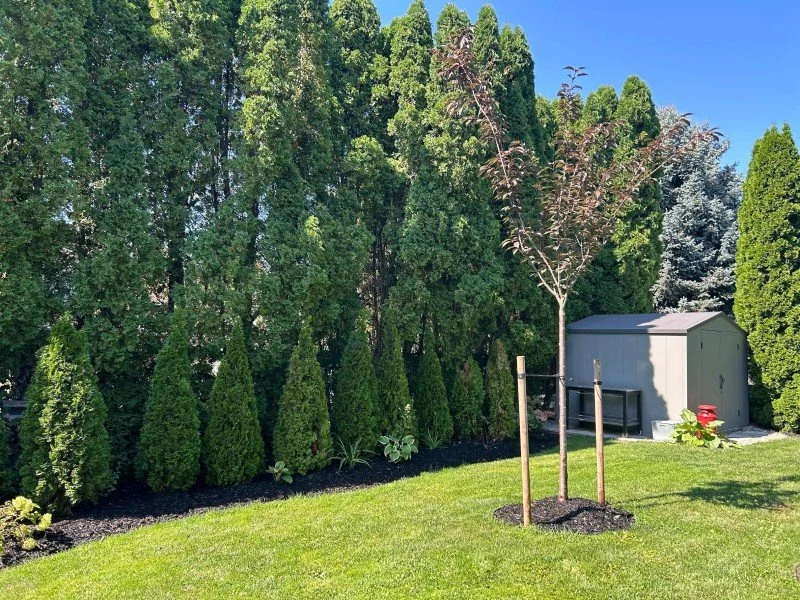
For smart backyard transformation ideas or larger property upgrades, learning how to design around the right tree from the start will protect your long-term investment.

3. Cultivating Healthy Soil & Plant Selection
The secret behind the best plants for gardens is the earth beneath them. Understanding how soil affects plant growth and health is critical. In Niagara, you must actively nourish amended clay soil over time. Building robust garden soil requires ongoing organic top-dressing. Sourcing premium soils will supply the structure and drainage your root systems desperately need.
Right Plant, Right Place
Whether exploring the 5 most popular garden styles or sticking to simple bed structures, selecting varieties built for Zones 6 and 7 is paramount:
Under dense tree canopies, source specific shade-loving plants perfect for Ontario backyards alongside durable shade plants.
For dry midsummer stretches, lean on resilient drought-tolerant plants (explore this complete drought-proof gardening guide).
For dense ground conditions, choose from the verified best landscape plants for Niagara heavy clay soil.
When planting flowers, essential planting tips like mastering how to properly plant new flowers and plants prevent common transplant shock.
4. Smart Maintenance: Watering, Pruning, & Eco-Friendly Pest Control
Watering Routines
Consistent garden maintenance sets thriving yards apart. Prioritize deep watering over frequent, shallow sprays. Deep soaking encourages roots to drive downward into amended soil for gardening, establishing drought-resistant architecture.
To decode how your landscape is performing, review the science of happy plants and check seasonal advice on The Old Farmer's Almanac.
Local Challenges
Southern Ontario gardening presents specific insect pressures, including Japanese Beetles and aphids. Treat infestations early and safely using pesticide safety guidelines from Health Canada to keep soil microbial life and native pollinators safe.


Your Dream Garden Starts Here: Shop Supplies or Book Our Landscape Pros
A breathtaking landscape requires time, planning, quality landscaping supplies, and hyper-local environmental knowledge. Picking up core gardening tips and top-tier stock from a trusted local garden centre forms the foundation of any DIY project.
However, if you want the best landscaping ideas of 2027, the experts at Gauld Nurseries offer two approaches:
The DIY Route: Visit our local garden centre to source healthy native plants, premium soils, and expert advice for your weekend project.
The Professional Shortcut: Hand the reins over to our professional landscaping team. We handle everything from excavation and soil amendment to plant selection, hardscaping, and ongoing care.
🏡 Don't leave your outdoor space to chance.
👉 Contact Gauld Nurseries to book your design consultation, or visit us today to get started!
Great selection of perennials, trees and shrubs. We’ve bought 7 trees and countless perennials over the last 5 years and haven’t lost any of them. The bulk garden soil is also pretty good quality for the price. Their delivery fees are very fair and much lower than many local competitors. The staff is always friendly and we’ve followed their planting advice and never have lost any of our trees. We love Gauld’s!
Dan